Anti-deforestation in practice.
Materials transition for the future.
From scientific roots to industrial scale
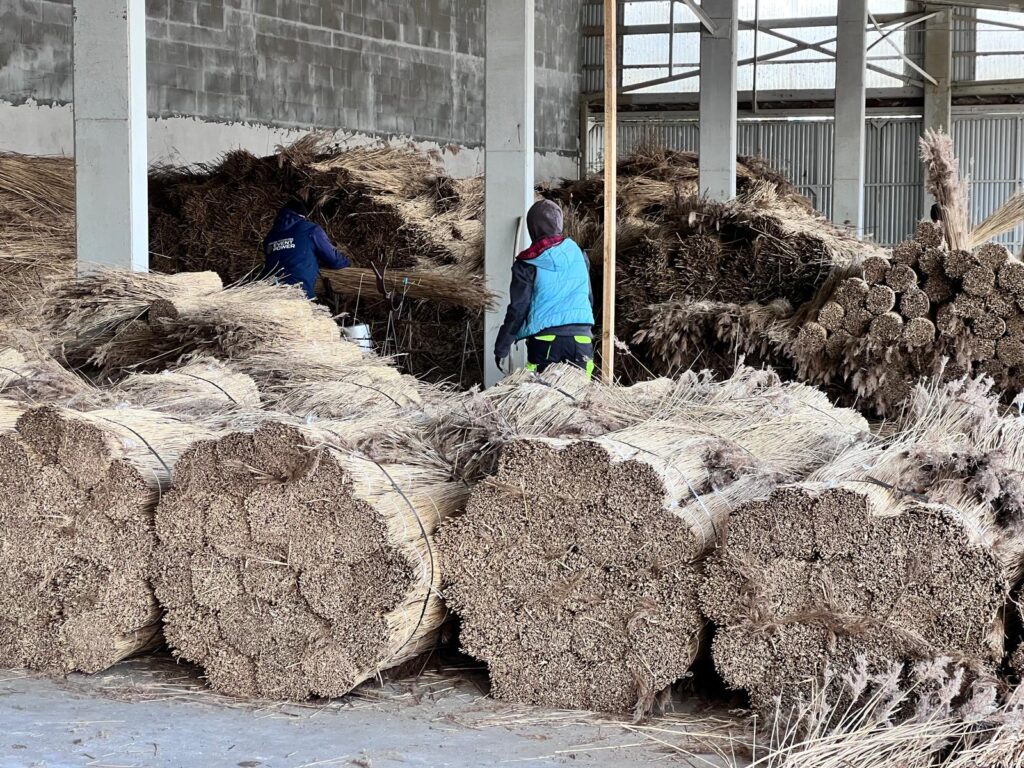
ReedBirds creates new-generation materials that replace wood and plastics. We use wetland plants, mainly common reed, sourced through wetland cultivation (paludiculture) to produce low-carbon, sustainable biocomposites that don’t harm forests or farmland.
Our goal is to build a reliable and climate-friendly source of raw materials for Europe while helping restore wetland ecosystem services that support water retention, biodiversity, and carbon storage.
2018
Start of research and vision setting
2025
Market entry and partnerships with industry leaders
2027
Own plant planned for the furniture sector
2030
Expansion into beauty & fashion
2022
R&D and technology development
2026
First reed-based boards in production
2029
New markets: construction, automotive, packaging
ReedBirds Biocomposites
Construction
Construction
Buildings generate ~40 % of global CO₂ emissions, creating strong demand for low-carbon, sustainable construction materials.
Solution
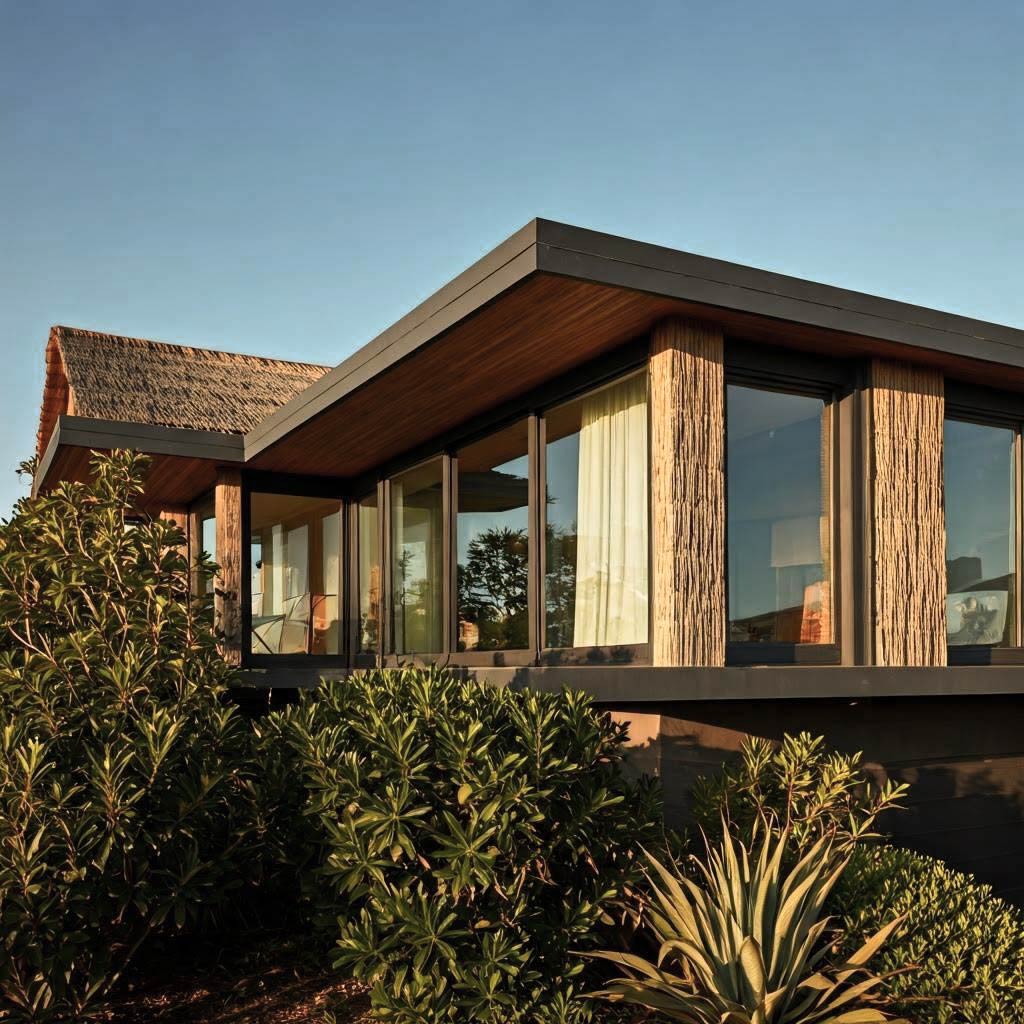
ReedBirds delivers durable, carbon-negative reed panels that replace wood and improve insulation performance.
Market
A sector worth over EUR 80 billion in Poland alone, with fast-growing demand for local, low-emission materials across Europe.
Furniture
Furniture
The furniture industry faces wood scarcity and the need for traceable, sustainable supply chains.
Solution
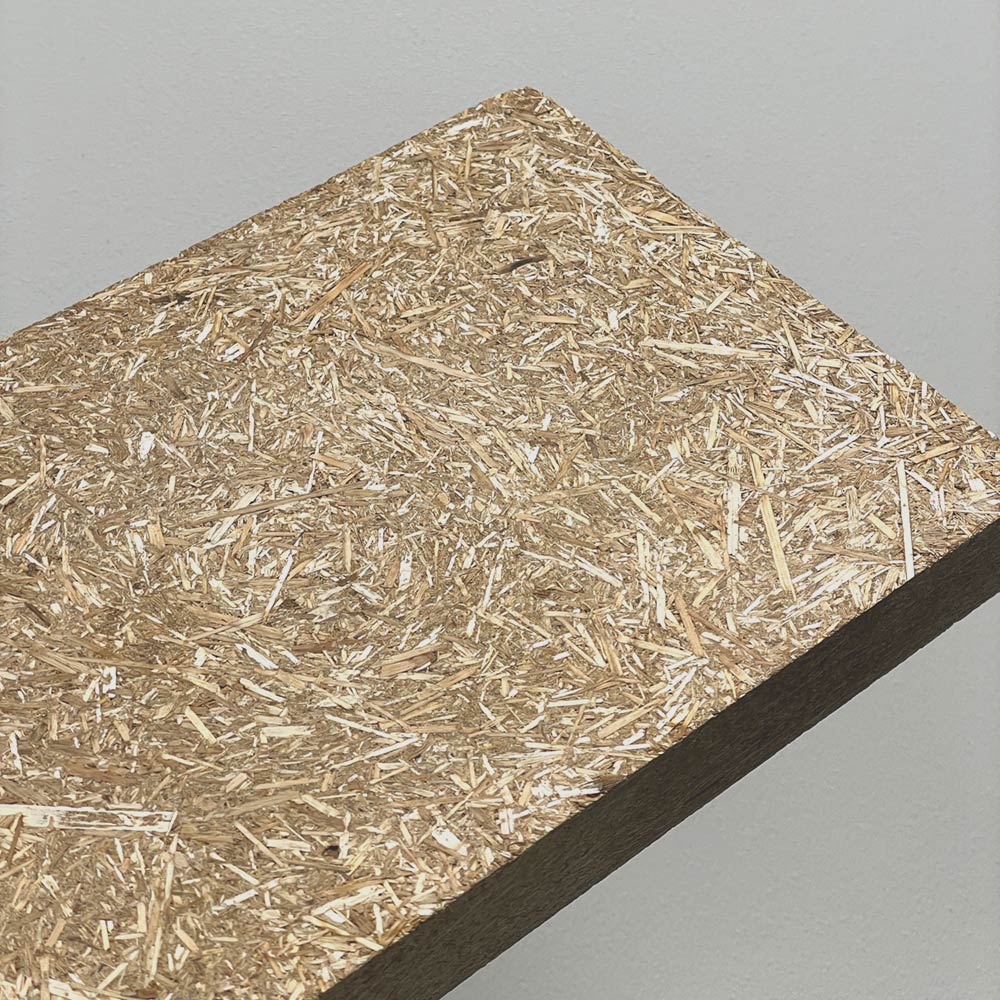
ReedBirds provides moisture-resistant reed boards – a circular, deforestation-free alternative to wood that supports ESG compliance.
Market
Poland is the 3rd largest furniture exporter globally (EUR 16.4 billion), making it a strategic entry point for sustainable material innovation.
Automotive
Automotive
The automotive sector seeks to reduce emissions and vehicle weight while integrating bio-based materials into production.
Solution
ReedBirds develops lightweight reed biocomposites for interiors and structural parts, reducing lifecycle emissions and improving recyclability.
Market
Europe leads the bio-based materials transition, with the automotive segment representing over one-third of global demand for natural composites.

Packaging
Packaging
Companies are under pressure to eliminate plastic waste and switch to biodegradable packaging.
Solution
ReedBirds creates natural, compostable materials from wetland vegetation, replacing conventional polymers in industrial and e-commerce packaging.
Market
The bio-packaging market grows at ~12 % annually, driven by EU-wide sustainability targets and consumer demand for circular solutions.

The future of materials is being built now
ReedBirds supports Europe’s transition to circular security, developing scalable, climate-resilient alternatives that redefine how industries source materials. This is a clear first-mover opportunity as the materials transition accelerates. Our integrated reed supply and production model creates defensible barriers and near-term scaling capacity.
Key Drivers
Wood scarcity
Rising prices and limited forest resources create instability across multiple industries. Global demand for raw materials already exceeds sustainable supply.
Regulatory transformation
New European policies require full supply-chain transparency and deforestation-free sourcing, accelerating the shift toward measurable, nature-based climate solutions.
Sustainability gap
The market still lacks scalable, high-performance materials that combine durability, circularity, and a low carbon footprint.
Market Outlooks
Market growth
The European biocomposites market reached EUR 4.1 billion in 2024 and is projected to grow to EUR 11.7 billion by 2033 (CAGR 12.3%).
Sector momentum
Construction and furniture drive more than half of this growth as industries seek sustainable, traceable, and low-emission materials.
Investment window
The transition toward circular, carbon-negative production opens a long-term investment window for early movers in sustainable materials.
High-growth opportunity driven by the global shift to low-carbon materials
Projected size of the European biocomposites market by 2033 (CAGR 12.3 %), reflecting the fast-growing demand for sustainable, circular alternatives to wood and plastics.
EU funding aligned with ReedBirds’ circular-materials focus – available through upcoming 2026–2027 programme cycles, covering up to 70 % of R&D and scale-up costs.
Innovative materials at the intersection of science, nature, and industry
Paludiculture
ReedBirds secures its raw material through wetland cultivation – sourcing reed from non-agricultural areas, without deforestation or pressure on farmland. This approach ensures renewable feedstock, supply stability, and long-term resource independence.
Biocomposites
Our proprietary technology converts reed fibres into high-performance, lightweight materials that replace wood and conventional polymers. Designed for circular production, the composites deliver industrial scalability and consistent quality across sectors.
Impact and traceability
Each production stage is optimised for low CO₂ emissions and full ESG transparency. The model connects material production with verified carbon reduction and nature-positive outcomes, supporting wetland restoration and measurable climate impact.
Where performance meets sustainability
Environmental advantages
Deforestation-free
Reed sourced from wetlands, reducing forest impact.
Local and circular
Short supply chains build resource independence and circularity.
Carbon-negative
Each batch cuts CO₂ and links to verified carbon credits
Safe to use
Bio-based binders with low VOC emissions.
Functional advantages
High durability
Reinforced reed fibres ensure long lifespan and structural integrity.
Moisture resistance
Lower water absorption than wood-based boards.
Thermal insulation
Reed fibre composition enhances insulation and energy performance.
Natural aesthetics
Distinct texture and finish options for diverse design uses.
Building a new standard of sustainable resources for Europe
ReedBirds develops innovative, low-carbon materials that replace wood and synthetic resources across multiple industries.
Through its reed-based biocomposites, ReedBirds supports transition toward local, resilient, and low-emission supply chains.
Our work goes beyond material innovation — we are building a circular, deforestation-free value chain based on paludiculture, creating a stable source of raw materials independent from forest and import dependencies.
By combining technology, science, and ecosystem restoration, ReedBirds contributes to the goals of the Green Deal, Blue Deal, and Strategic Autonomy, helping shape a sustainable, self-reliant, and competitive European economy
Download our
Investment Teaser
Join the anti-deforestation transition and shape a sustainable material future.